
What Is NADA Ear Acupuncture? Benefits, History and How It Works
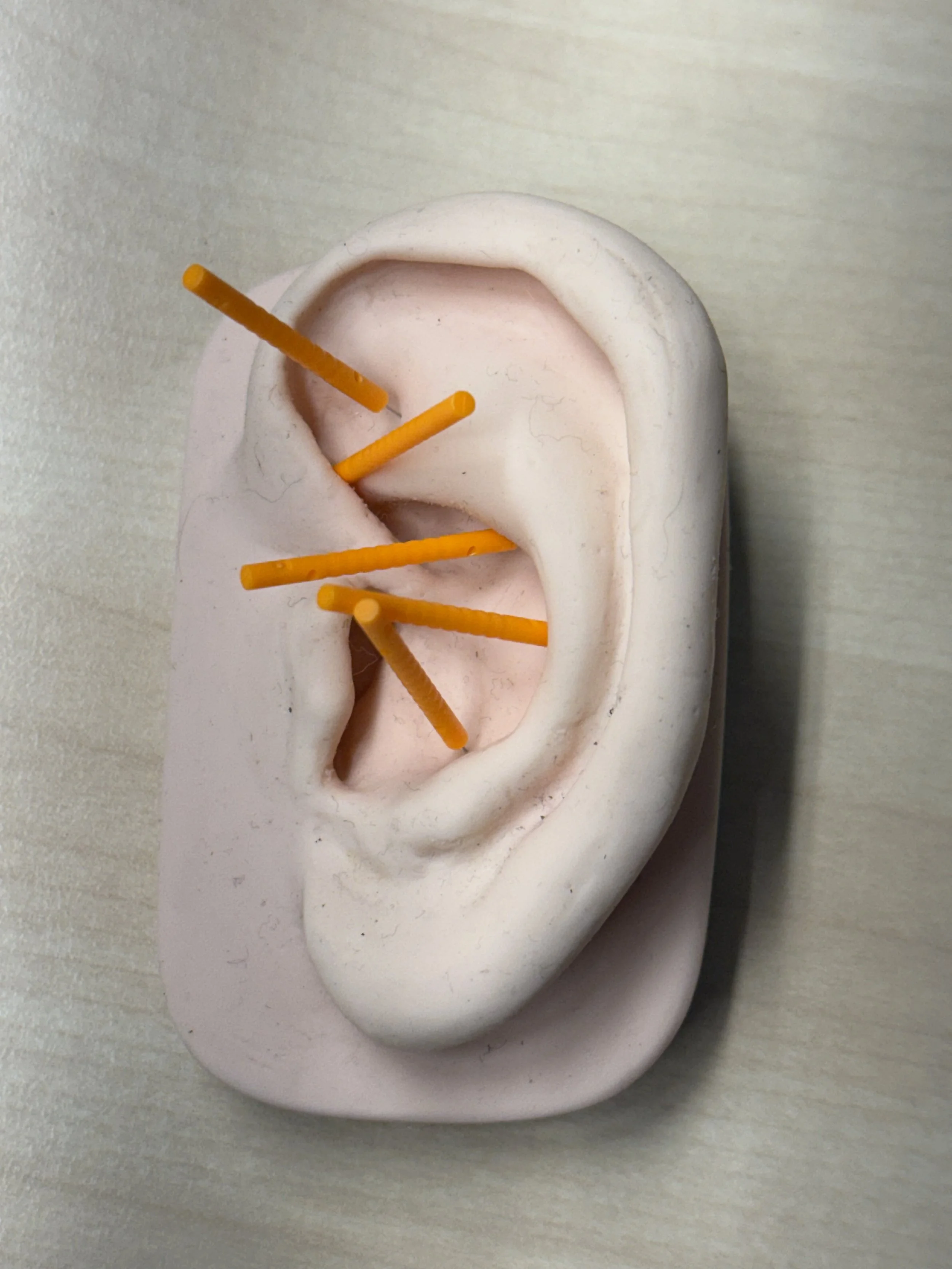
The NADA protocol, 5 points in each ear
NADA ear acupuncture is a simple, standardized acupuncture protocol that uses five specific points on each ear to support relaxation, emotional wellbeing and recovery. Originally developed in addiction treatment settings, it is now used in a variety of community, healthcare and mental health environments, including substance use recovery, trauma support and disaster relief.
You don't need to be struggling with addiction or experiencing a mental health crisis to explore NADA. For some people, it offers a quiet opportunity to slow down, settle their nervous system and spend time receiving supportive care without needing to talk, explain themselves or work through a particular issue.
In this guide, we'll explore what NADA is, where it comes from, who it may be helpful for and what we currently understand about how it works.
What Is the NADA Protocol?
NADA stands for the National Acupuncture Detoxification Association, the organization associated with the development and training of this standardized approach. The protocol is also commonly known as acudetox or NADA ear acupuncture.
Unlike a traditional individualized acupuncture treatment, where points are selected according to a person's symptoms and clinical presentation, NADA follows a consistent set of five points on the outer ear:
Shen Men: Traditionally associated with calming and settling the mind.
Sympathetic: Traditionally used to support autonomic nervous system regulation.
Kidney: Associated in Chinese medicine with foundational vitality and resilience.
Liver: Associated with the movement of qi and the regulation of tension and emotional constraint.
Lung: Associated with breathing, grief and the relationship between the body and its environment in Chinese medicine.
The protocol is administered with very fine, sterile, single-use needles placed in both ears. Treatments are often offered in a quiet group setting, where people can sit comfortably and rest while the needles remain in place for a period of time, usually 30+ minutes.
Because the same points are used consistently, NADA can be incorporated into a wide range of settings and used alongside other forms of healthcare and support.
Where Does NADA Come From? A Brief History
Although acupuncture has a much longer history, the modern NADA protocol emerged in the United States during the 1970s and 1980s.
Its development was influenced by research from Hong Kong neurosurgeon Dr. Hsiang-Lai Wen, who reported in the early 1970s that ear acupuncture with electrical stimulation appeared to help alleviate some opioid withdrawal symptoms.
Around the same time, community health workers and organizers at Lincoln Detox in the South Bronx, New York, began exploring acupuncture as an accessible form of support for people experiencing substance dependence. Their work was part of a broader community-led response to addiction, with an emphasis on practical, compassionate care.
Under the direction of Dr. Michael Smith and other practitioners at the nearby Lincoln Recovery Center, the approach evolved into a standardized protocol using up to five ear acupuncture points. The emphasis shifted toward a simple, repeatable treatment that could be integrated into recovery programs without relying on electrical stimulation.
The National Acupuncture Detoxification Association was established in 1985 to support training and wider adoption of the approach.
Over time, NADA expanded beyond substance use treatment. It has since been incorporated into mental health services, trauma support programs, community clinics and humanitarian responses following disasters and other crises.
Its history is closely connected to the idea that accessible, supportive care can be offered in community settings, alongside medical treatment, counselling and other recovery resources.
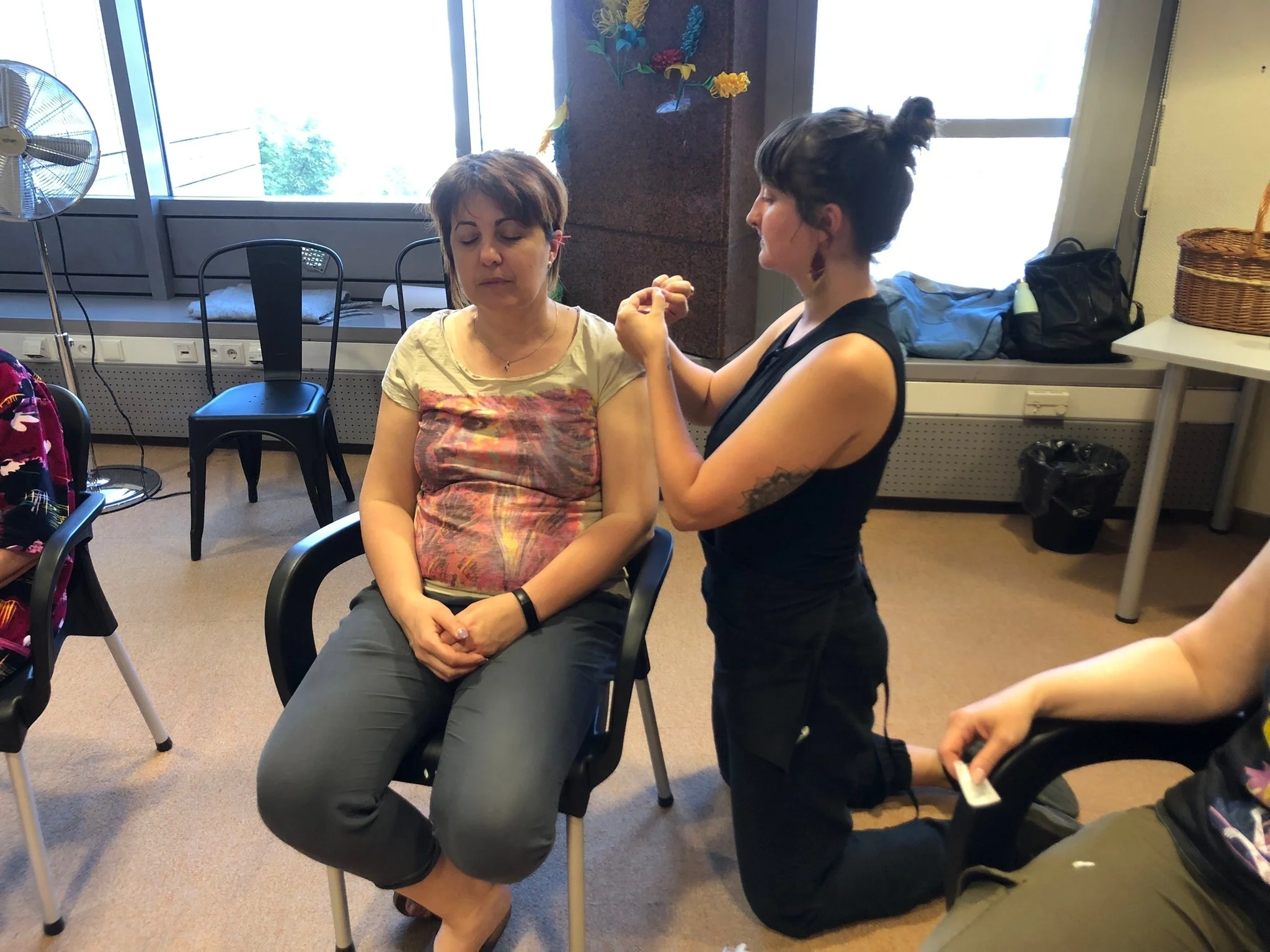
Avery giving NADA treatments in Poland in 2023.
Who Is NADA For?
NADA was originally developed for substance use treatment, but its applications have broadened considerably. Today, it may be offered as a complementary support for people navigating a variety of challenges.
Stress, anxiety and overwhelm
When life feels relentless, finding time to pause can be difficult. NADA provides a structured opportunity to sit quietly, reduce external demands and allow the body to rest. Some people find this particularly helpful when they feel persistently on edge or have difficulty switching off.
Sleep difficulties and difficulty winding down
Stress and heightened arousal can make it difficult to transition into rest. NADA is sometimes incorporated into supportive care for people experiencing sleep difficulties, although evidence that it directly improves sleep remains limited.
Substance use and recovery
NADA has a long history of use in addiction treatment settings. It may be offered alongside counselling, peer support, medical care and other recovery services to support treatment engagement and help people manage the challenges associated with recovery. It is not a substitute for evidence-based addiction treatment or medically supervised withdrawal when required.
Trauma and emotional distress
The protocol has been used in settings supporting people affected by trauma, including emergency and disaster-relief environments. It offers a low-demand way to receive support, particularly for people who may not feel ready to talk about their experiences.
Healthcare workers, caregivers and people under prolonged pressure
People who spend much of their time caring for others can find it difficult to make space for their own needs. A NADA session offers an opportunity to pause, rest and receive care without having to be productive or responsible for anyone else.
Anyone looking for a quiet, supportive experience
You don't need a diagnosis or a specific problem to attend. Some people simply appreciate the opportunity to sit in a calm environment, disconnect from everyday demands and take a little time for themselves.
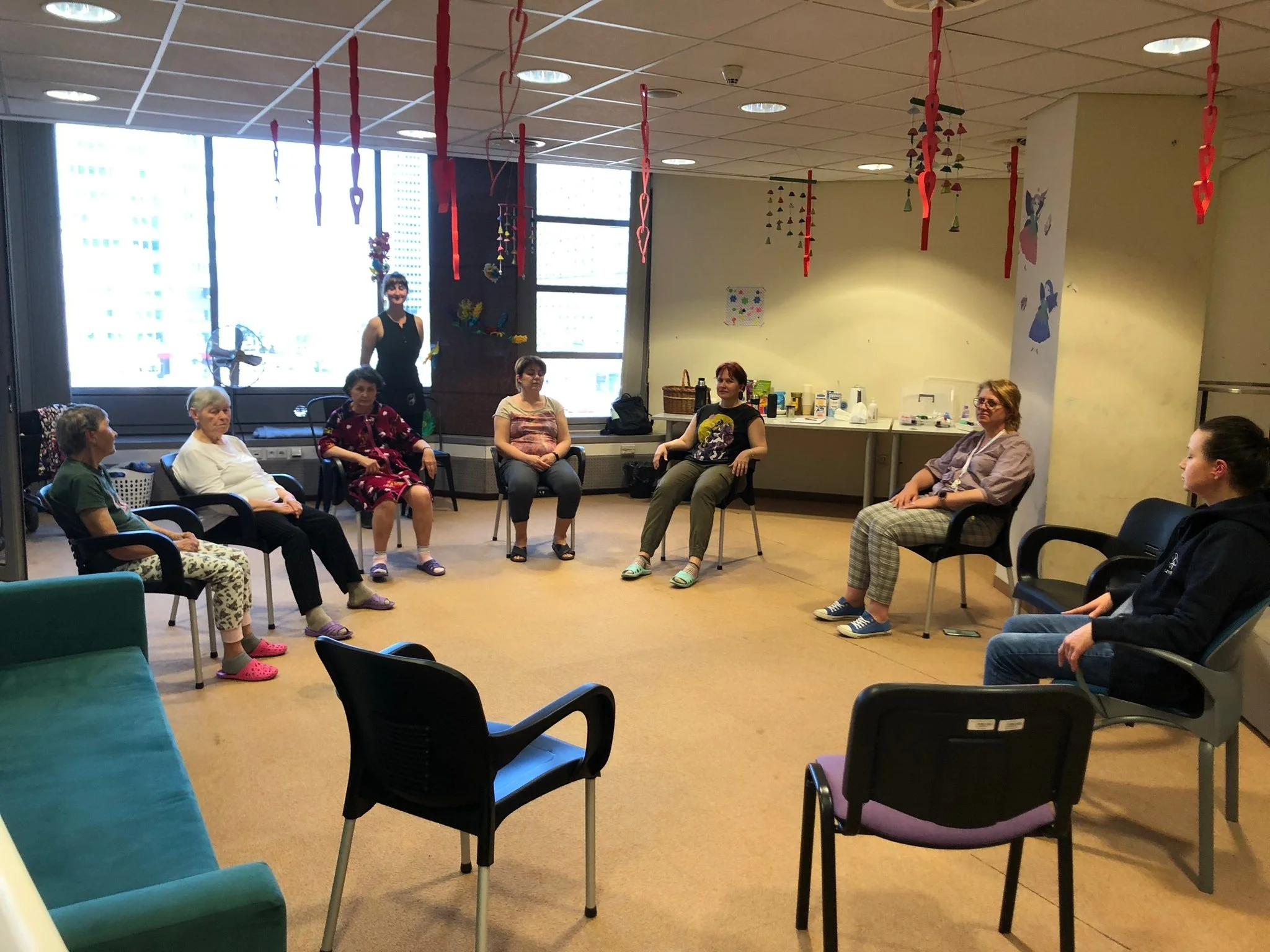
Warsaw, Poland 2023
NADA is generally considered a complementary approach rather than a stand-alone treatment. Whether it is appropriate for you depends on your individual circumstances and healthcare needs.
How Does NADA Work?
There isn't one established explanation for how NADA produces its effects. Research is ongoing, and it's important to distinguish what is understood about the physiology of acupuncture from what remains uncertain about this particular protocol.
The outer ear contains sensory nerve endings that communicate with the central nervous system. Stimulating these tissues with acupuncture needles provides sensory input that may influence neural activity and aspects of autonomic regulation.
The autonomic nervous system helps regulate functions such as heart rate, breathing and the body's responses to stress. Researchers are interested in how ear acupuncture may influence these processes, including pathways involved in the vagus nerve.
What Can You Expect From a NADA Session?
A NADA session is generally straightforward and low-key.
After a brief check-in, fine, sterile, single-use needles are placed at the designated points on each ear. You then sit comfortably while the needles remain in place, usually in a quiet environment.
There is no requirement to talk, meditate or achieve a particular state of relaxation. You can simply sit, breathe normally and allow yourself some time to rest.
People's experiences vary. Some feel calm or sleepy, while others notice very little during the session. You do not need to feel a dramatic change for the experience to be worthwhile.