
What Is a Healthy Stool? Signs of Good Digestion in TCM and Western Medicine
Most people don’t think much about their stool until something changes.
But in both Traditional Chinese Medicine (TCM) and Western digestive physiology, bowel movements are one of the most direct reflections of how well your body is transforming food, absorbing nutrients, and eliminating waste.
Your stool is feedback. Not glamorous - but incredibly useful.
So what actually defines a healthy stool?
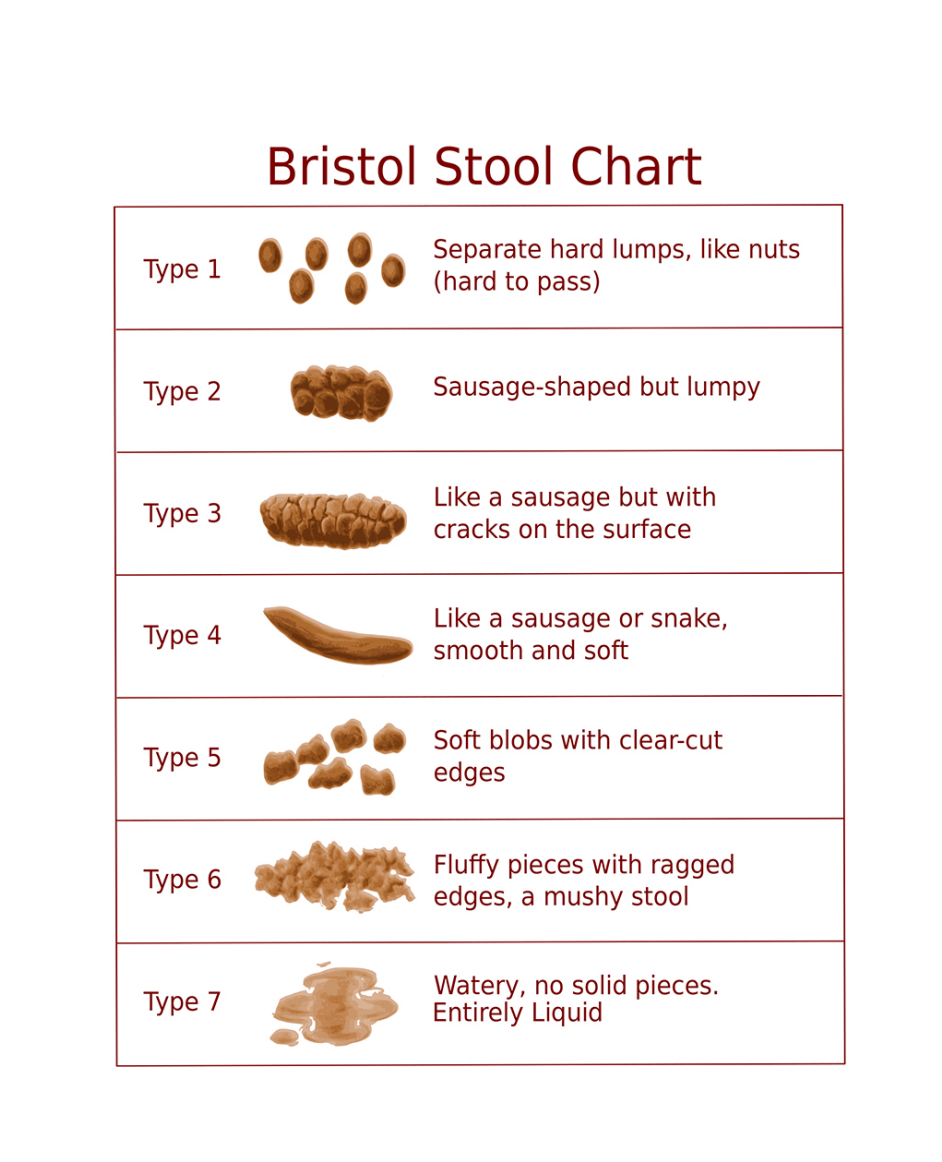
What Healthy Stool Looks Like
From a Western medical perspective, the Bristol Stool Chart is often used as a reference. Types 3 and 4 are generally considered ideal:
Formed, sausage-shaped
Smooth or slightly cracked
Soft but not loose
Easy to pass
Medium to dark brown
It should not require straining, urgency, or excessive time in the bathroom. Ideally, you feel complete afterward.
But appearance alone doesn’t tell the full story. Consistency, frequency, odor, ease of elimination, and even how the stool sits in the water all give information about digestion.
From a TCM perspective, healthy stool reflects strong Spleen and Stomach function — the systems responsible for transforming food into usable energy (Qi) and properly transporting fluids.
When digestion is balanced in TCM:
Stool is formed but not dry
It is not sticky or difficult to clean
There is no burning sensation
Elimination is regular and unforced
Different language. Same principle: effective transformation and smooth elimination.
How Often Should You Have a Bowel Movement?
Western medicine considers anywhere from three times per day to three times per week “normal.” That range is wide and somewhat unhelpful.
In practice, what matters more is pattern and comfort.
Daily elimination is common in people with steady hydration, fibre intake, and stable routines. But someone going every other day without bloating, straining, or discomfort may also be functioning well.
Red flags are less about numbers and more about:
Chronic straining
Incomplete evacuation
Needing stimulants (like strong coffee) to go
Sudden shifts in frequency
Alternating constipation and loose stools
In TCM, daily bowel movements are often considered ideal because stagnation is thought to generate internal heat and disrupt systemic balance over time. But again, comfort and quality are key.
Why Stool Colour Matters
Healthy stool is brown. That colour comes from bile - a digestive fluid produced by the liver and stored in the gallbladder. Bile helps break down fats and helps regulate gut motility.
Colour variations can give clues:
Green may indicate rapid transit time or dietary influence
Yellow or greasy stool can suggest impaired fat digestion
Pale or clay-colored stool may indicate reduced bile flow or malabsorption
Very dark or black stool warrants medical evaluation, but we can also see this when taking iron supplements.
From a TCM lens, colour also reflects internal patterns:
Dark, strong-smelling stool may indicate internal heat
Pale, loose stool can reflect cold or deficiency
Sticky stool often points toward dampness
These aren’t labels, they’re patterns that develop over time.
Texture, Shape, and Effort
Hard, pebble-like stool often indicates dryness - whether from dehydration, insufficient fibre, sluggish motility, or internal dryness patterns in TCM.
Loose or unformed stool may reflect:
Impaired nutrient absorption
Irritated intestinal lining
Excess dampness (TCM)
Inflammatory processes
Sticky stool that is difficult to clean is often overlooked but clinically meaningful. In Western physiology, it may relate to fat malabsorption or microbiome imbalance. In TCM, it often corresponds with damp accumulation.
Even odour provides information. Excessively foul-smelling stool can suggest poor protein breakdown or stagnation in the digestive tract.
What Healthy Digestion Feels Like Beyond the Toilet
Stool quality is only one piece.
Healthy digestion also looks like:
Comfortable appetite
Minimal gas and bloating after meals
Steady energy (not crashing after eating)
Clear hunger cues
Absence of chronic reflux or heaviness
In TCM, digestion is central to overall vitality. When transformation and transportation are strong, energy is steady, and the body feels resilient.
Western research mirrors this concept: nutrient absorption, microbiome balance, enzyme activity, bile flow, hydration, and gut motility all interact to influence stool quality.
Other systems, including the nervous system, hormones, liver function, sleep, and seasonal changes, can also influence digestive function. We’ll explore those connections in upcoming posts.
For now, the foundation is simple:
Healthy stool is brown, formed, easy to pass, regular, and complete.
It reflects coordinated digestion, proper fluid balance, and smooth elimination. When those are in sync, the body tends to feel more stable.
A Gentle Invitation
If you’re noticing persistent changes in your digestion and want a more individualized perspective, this is something I explore regularly in the clinic here in Victoria, BC, using acupuncture, herbs and practical lifestyle adjustments to get to the root of your experience. Get in touch!